


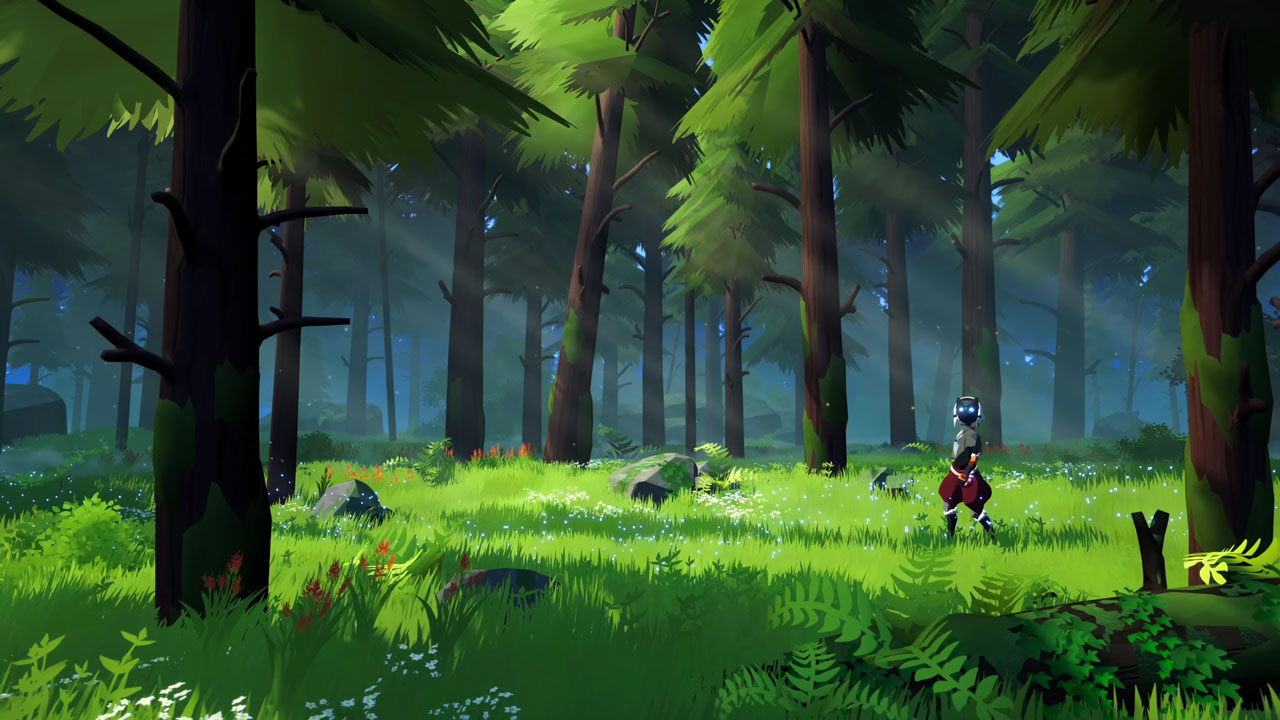
After seven years in development, BitCraft Online aims to become the largest shared-world sandbox survival experience, with thousands of players exploring, building, and forging alliances in one seamless open world.
In this game, social play, crafting, trading, exploration and empire building come together in a shared space. The game draws on ideas from EVE Online’s lasting economy, RuneScape’s skill paths and Foxhole’s regional server design to offer a living world where people work together to rebuild civilization.
The map is split into regions that act like linked servers. Walking across a border or using stones for travel brings a brief load and moves you to the next area. All players share the same locations, whether in a house, cave or dungeon. The area is larger than past versions but stays fixed so it does not grow too big or too small for its population. Settlements and empire zones show up on the map even before they are discovered, which encourages players to meet one another. Other parts stay hidden until someone finds them. New areas such as forests, meadows and oceans add variety. A planned exploration skill will give perks like more travel energy, new moves or rewards for revealing hidden map areas. Seasons and weather may arrive in future updates.
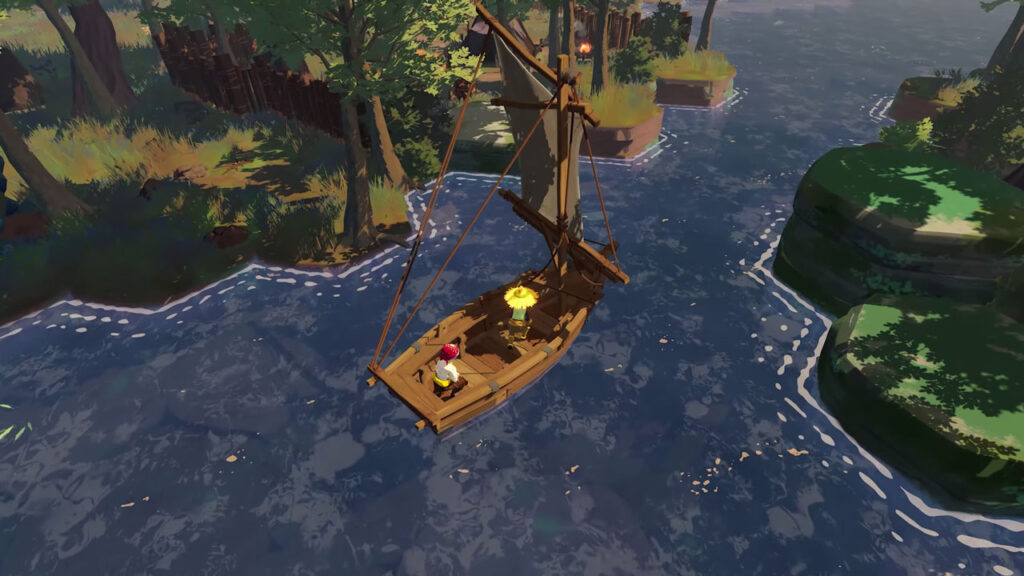
Travel between regions uses stones and a teleport energy that rebuilds slowly, even when offline. Costs rise with distance and how full your inventory is. You can always return home at zero energy but it leaves you with no energy left. This design nudges players to travel light when they use stones and move heavy loads with carts or boats instead.
Progress works through professions and skills. Professions act like special roles such as blacksmith or miner with 10 tiers that need more experience at each step. You can train several but focusing on one moves you faster and unlocks better recipes. Skills offer side benefits without blocking other paths. For example, building, cooking, trading, sailing, slaying or taming each link to a traveler who gives tasks for experience and coins on a regular basis. Rewards include new buildings, recipes, trading tools, boats, gear or pets. Levels go up to 100 for real gains, and there are extra levels beyond for those who want to show off.
Gear comes in 10 tiers and 5 rarities from common to mythic. Upgrading gear may boost its tier or rarity, with top mythic items kept rare. Better gear helps but the gain eases off at the top. Chance to get a rare item does not depend on your skill level, so everyone has a fair shot. You can change how gear looks by applying cosmetic items from a vault. Durability is planned so tools will wear but can be fixed rather than lost forever.
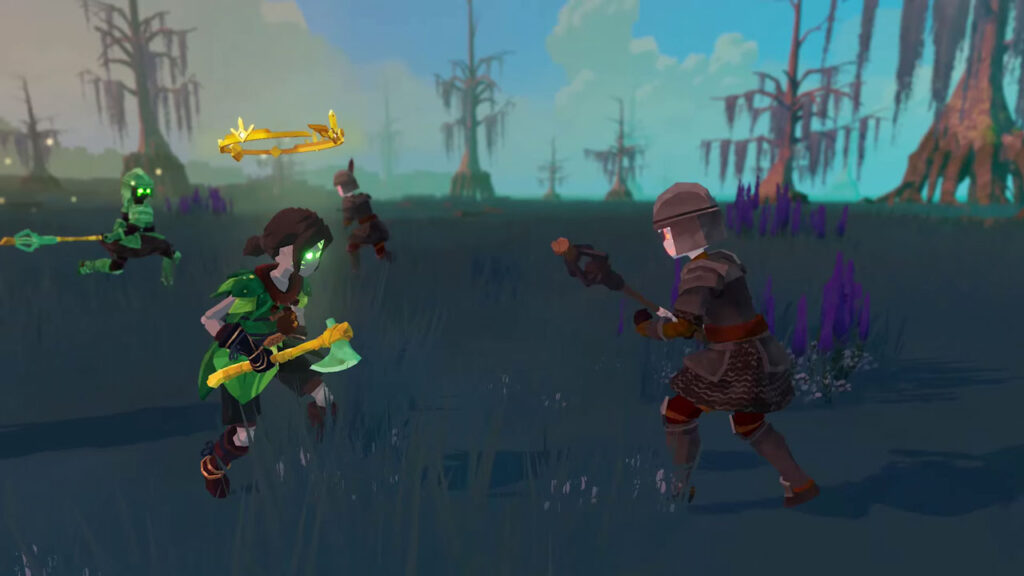
Combat includes chance and tactics rather than fixed outcomes. Stats such as armor, accuracy, evasion and damage range matter, and gear or abilities change those. Players pick weapon types unlocked through slayer tasks to match a style like high risk high reward or heavy defense or support. Enemies range from wild creatures to spawners that, once cleared, leave an area safe for a while. Animations and effects are still getting polished and group roles are on the way. If a player falls, they become knocked out for a minute, then return in place or travel home at energy cost. A short knock out penalty slows actions for a few minutes and builds up if it happens often, with a brief window to escape.
The economy thrives on a new market system in towns and settlements. Players place buy or sell orders, use filters and see prices across multiple markets. This helps form trade routes or informal quests to fill orders. Heavy loads move by carts, wagons or boats since travel cost grows with full inventories. Behind the scenes, tools track supply and demand so the team can keep balance.
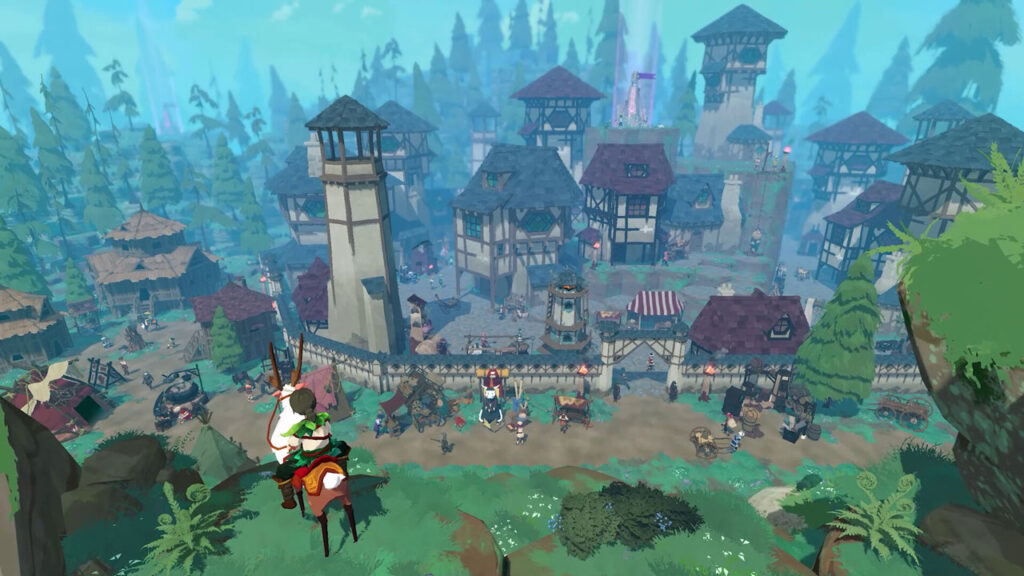
Players can found settlements by claiming land, gathering supplies and upgrading in stages. Circular claims cost less and settling brings a treasury and roles for members. If a claim decays, items go to recovery stations. Empires form through influence over territories and include custom flags or watchtowers. Leaders guide their people and conflicts for land are planned but towns stay free. Housing is also expected in the future, letting players buy, claim and upgrade homes that others can visit.
Clockwork Labs plans to keep the world going with few wipes, only when truly needed. Future work includes refining combat group roles, adding diplomacy and taxes, adding exploration perks, housing, seasons and more.
BitCraft Online will launch into Early Access on Steam on June 21, 2025, and is expected to remain in development for several more years before its full release.


Leave a Reply
You need to sign in to post a comment.