


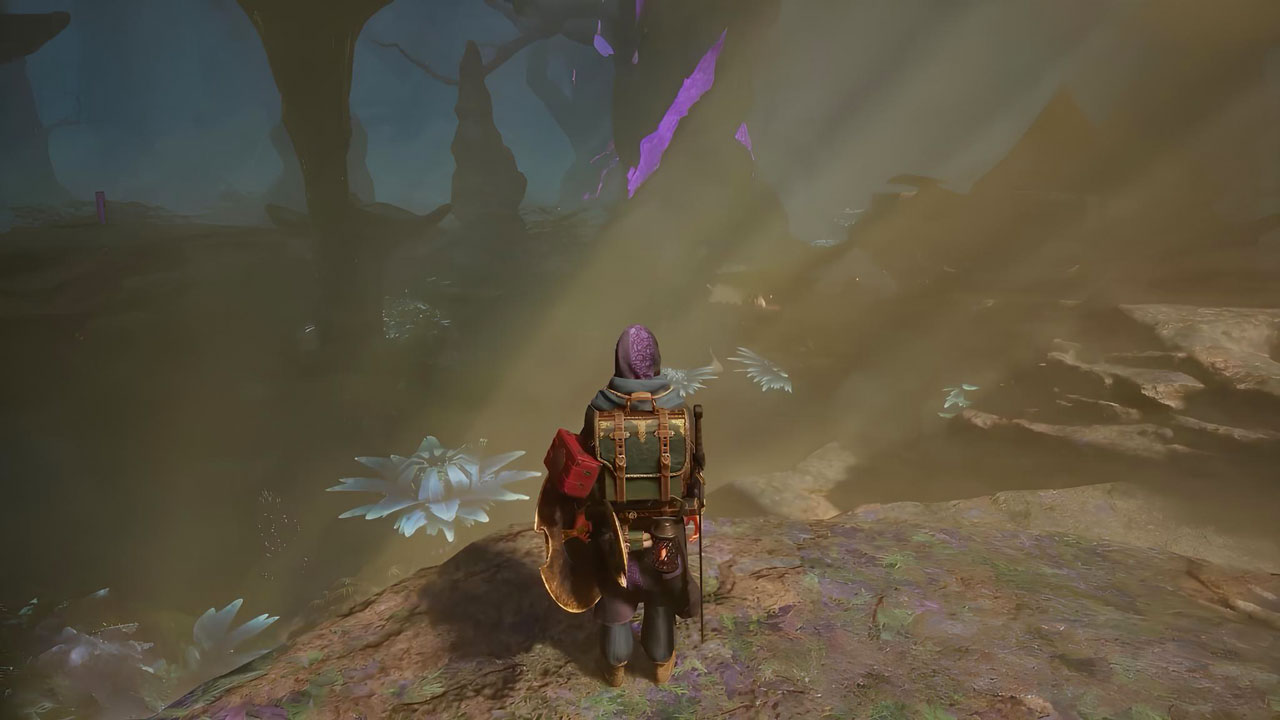
Outward 2 devs have outlined a wide range of changes, building on the original game’s core philosophy of immersion, preparation, and vulnerability rather than power fantasy. The sequel keeps the idea that players are ordinary people in a hostile world, but reworks many systems that were limited by budget and experience in the first game. Let’s take a more detailed look at what’s expected.
One of the biggest improvements is combat. While the developers stress that the game is still meant to be demanding, they want failures to feel fair. Combat has been redesigned to be far more responsive, with faster animations and the ability to cancel attacks into blocks or dodges at nearly any moment. This allows players to react to enemy behavior more naturally, making mistakes feel like the player’s responsibility rather than the result of clunky controls. Dual wielding has been completely overhauled as well, allowing any one-handed weapon or item to be combined freely. Players can mix weapons like swords, daggers, shields, or other off-hand tools, creating flexible playstyles that emphasize timing, positioning, and situational awareness. Two-handed weapons now gain expanded move sets through off-hand inputs, adding more depth without changing the game’s deliberate pacing.
Character creation has also been significantly expanded. Instead of limited cosmetic options, players now choose backgrounds, traits, and one of three starting locations, each with its own opening quest and narrative context. These starting paths are designed to be equally challenging but structurally different, reinforcing replayability. Players can also align with one of three factions later in the game, further shaping their experience.
Progression systems have been reworked to move beyond simply paying trainers for skills. While Outward 2 still features eight skill trees and a limit of three breakthrough specializations, it introduces core attributes such as strength, agility, and willpower. These stats improve through an “exercise” system that tracks player actions, such as dodging attacks or knocking enemies down, unlocking passive bonuses over time. Reading books, practicing skills in the world, and training with instructors all contribute to character growth, creating a slower, more layered progression curve.
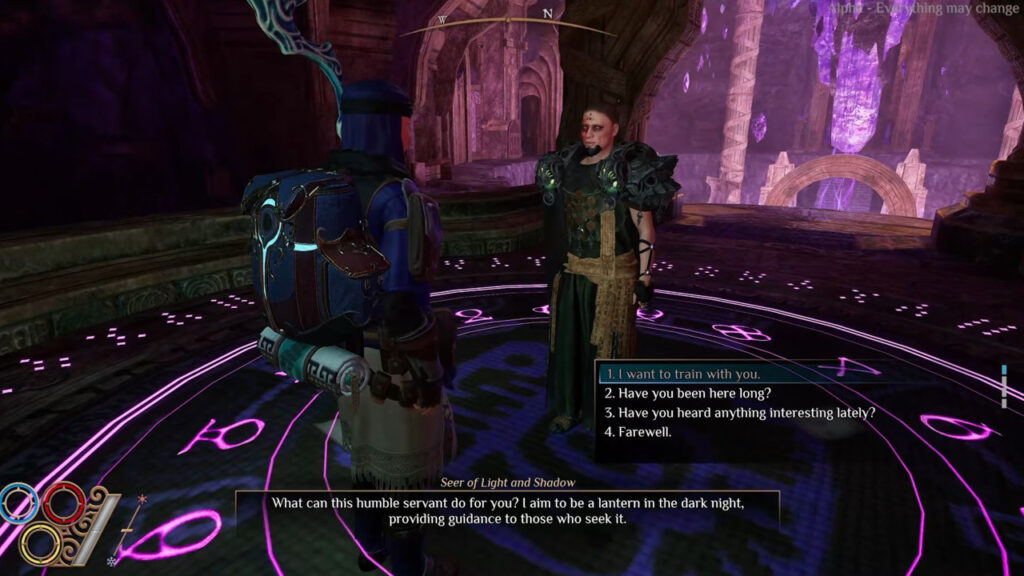
The world itself has been redesigned to feel more alive. A full calendar system introduces seasons that persist over time, affecting weather, equipment needs, and available resources. Towns now follow daily routines, with NPCs changing behavior based on the time of day. Outdoor areas are denser and more visually detailed, with landmarks intended to naturally guide exploration. Defeat scenarios are also harsher, introducing long-lasting injuries that limit movement or combat options, forcing players to adapt.
Co-op remains limited to two players to preserve tension and immersion, with changes to shared progression so quest rewards are primarily equipment rather than exclusive skills. Exploration has expanded with new regions set decades after the first game and features like pack mules to help manage logistics.
Together, these changes aim to deepen Outward 2’s focus on survival, consequence, and long-term decision-making without abandoning its original identity. Isn’t that exactly what we wanted?


Leave a Reply
You need to sign in to post a comment.