


As Dune: Awakening approaches its release date and prepares for a beta weekend next week, the developers have revealed new details focused on the significance of base building in the game.
The unforgiving desert of Arrakis isn’t just a place to survive, it’s an opportunity to carve out your own future. Constructing a base is not merely about securing shelter, it’s about claiming your territory, showcasing your identity, and asserting your dominance. Whether you build a humble refuge or a grand stronghold, each structure you create reflects your decisions, your allegiances, and your drive to rise above the harsh world around you.
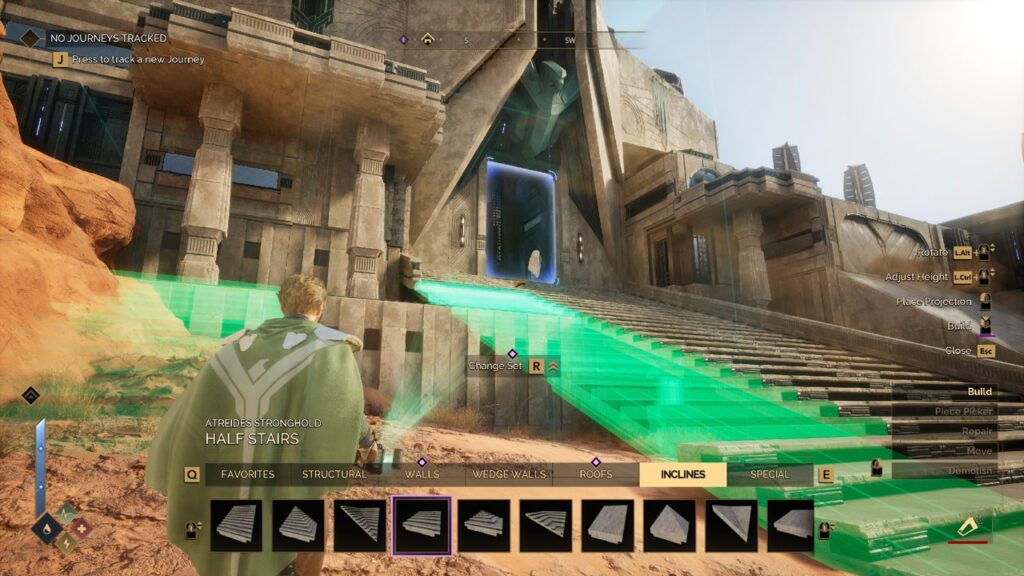
The journey begins with a single foundation. Claiming land means placing a sub-fief console, which defines your territory and gives you control over essentials like shields, storage, water, and storm alerts. You’ll start small, with limited reach, but experienced players can expand into larger, more formidable strongholds using advanced consoles and staking units. Elevation becomes a tool, not just a visual flair, as bases can stretch across hillsides and cliffs, shaping the landscape around them.
However, there are some limits. Claims can’t overlap with other settlements or key locations, and they’re not meant to last forever. Shields protect your base from collapse, but they rely on power and eventually, taxes. The Emperor keeps a close watch, and failure to meet demands could leave your creation exposed. This system steers players toward evolution, letting old bases fade in favor of new ones, while keeping Arrakis open for fresh arrivals.
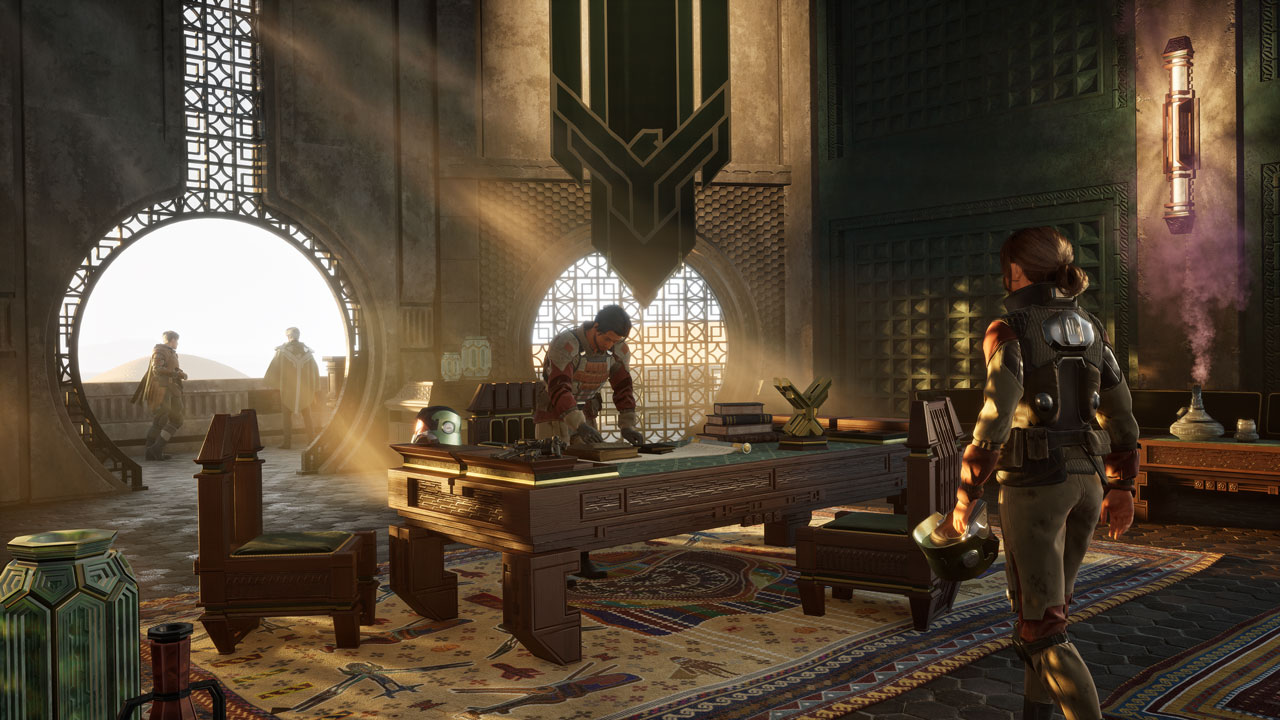
Functionality aside, expression runs deep through Dune: Awakening’s building system. From the start, CHOAM provides a standard set of construction tools, but allegiance to a Great House unlocks more. Whether you lean into the sharp elegance of Atreides architecture or embrace the dark grandeur of House Harkonnen, your stronghold will reflect your loyalties. These styles are more than just visual choices. Unique structural elements, like Atreides balconies or the looming Harkonnen gateface, make each build feel distinct in form and intent.
Decoration adds another layer. Rugs, lamps, desks, and shelving all vary depending on the faction, creating interiors that feel personal and purposeful. More styles are planned post-launch, drawing from the wider Dune universe to give players even more tools for customization.
Cooperative building is also a focus. With the Solido Replicator, players can turn their creations into blueprints, letting them relocate full base designs or share them with others. Solido Projections make group construction easy, showing everyone where each piece should go. For builders with vision and entrepreneurial spirit, selling Blueprints on the exchange market opens up entirely new opportunities.
Of course, no system in Dune: Awakening is without its risks, especially in the Deep Desert. Resources there are unmatched, but so are the dangers. Storms change the terrain weekly, wiping out anything in their path. Bases must be temporary, shielded, and well-planned. PvP is active here, and while shields protect your assets most of the time, sandstorms and the massive Coriolis Storm can leave you vulnerable. Knowing when to push for spice and when to fall back is a survival skill in itself.
The building system in Dune: Awakening is shaping up to be an experience rarely seen in other survival games, and soon we’ll have the chance to explore some of those possibilities in the upcoming playtest.


Leave a Reply
You need to sign in to post a comment.