


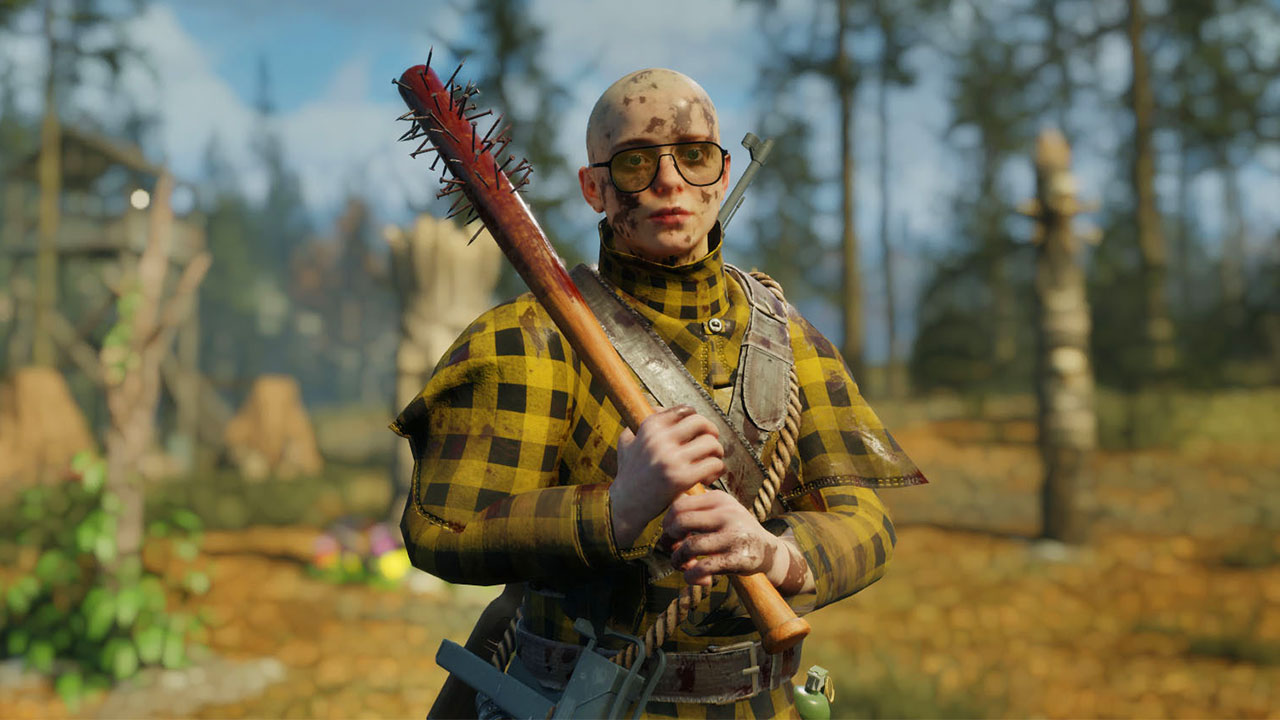
Join Us is expanding on its multiplayer foundations as developer Wolf Haus Games reveals new details about how co-op is being built and what players can expect at launch and beyond. I mean, in order to have a successful cult, you need people, right? It’s only fitting they focus on Multiplayer, and I, for one, think they have got something here. So, let’s drink more of Kool-Aid and dive right in.
In a development update, Technical Director Pierre-Olivier Chartrand outlined the studio’s approach to implementing co-op from the earliest stages of development. Multiplayer support was treated as essential rather than an added feature, influenced by the team’s appreciation for survival and sandbox experiences such as Valheim, State of Decay, Project Zomboid, and The Forest. The goal has been to allow players to share responsibilities organically, whether building, scavenging, or managing information, while maintaining a cohesive shared world.
A central design consideration is the role of followers within the game. Because followers are designed to be more capable and responsive than typical non-player characters, solo play is intended to remain viable and meaningful rather than becoming repetitive or overly dependent on additional human players. This balance between cooperative and solo experiences has shaped both gameplay systems and technical decisions.
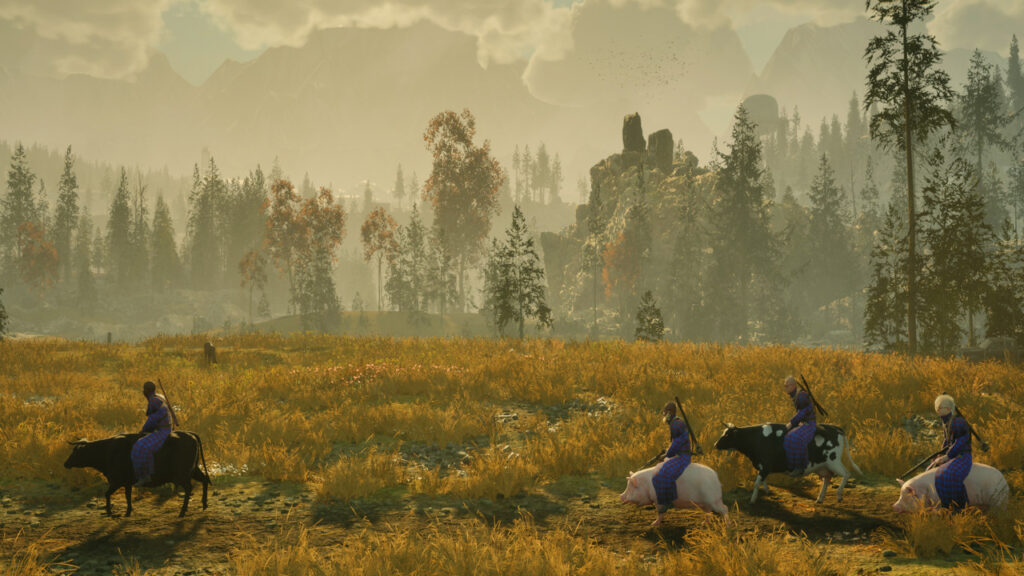
From a development standpoint, the studio emphasized the significant increase in complexity that multiplayer introduces. Even simple interactions, such as lighting a fireplace, require authoritative server validation, state replication across clients, and safeguards against edge cases like simultaneous inputs, packet loss, or players joining during transitional states. According to the team, multiplayer logic can effectively double the amount of underlying code and testing requirements. Timing-dependent interactions add further complications, often requiring multiple live clients to reproduce and resolve potential issues.
At launch, Join Us will use a listen server model. In this setup, one player acts as host, and their save file serves as the authoritative game state. Other players can join that session and participate fully in core systems, including building, combat, teaching mechanics, and follower management. Certain high-impact mechanics may require group approval or presence before activation. Player-specific data such as profiles, settings, selected followers, and pinned missions are saved independently and restored when rejoining a session.
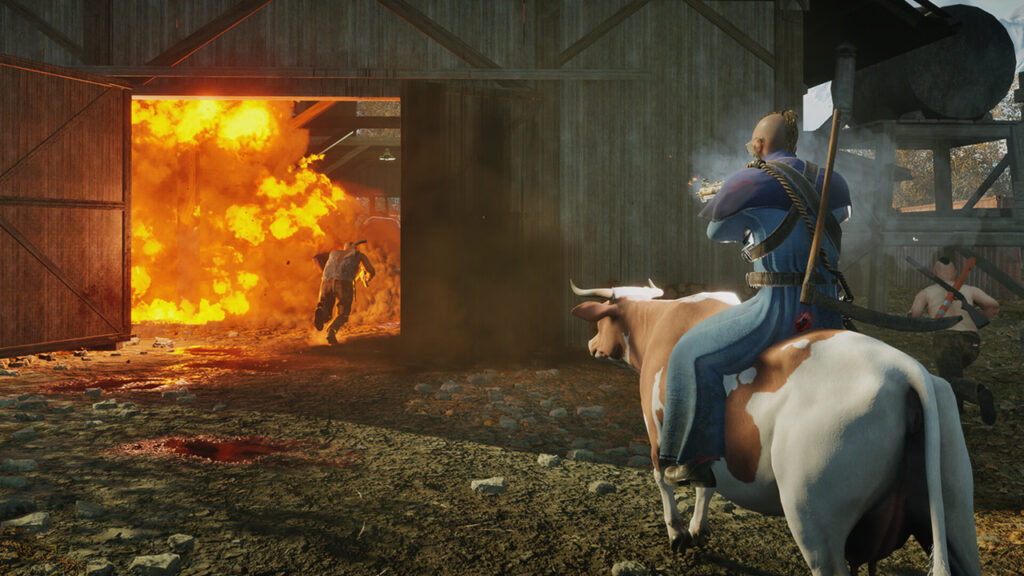
Looking ahead, the studio confirmed that dedicated server support is a post-launch priority. This would allow persistent worlds to run without a player actively hosting the game. The feature is already in development but is being held until it meets stability and testing standards. The team is also working with external partners to support third-party hosting options and plans to implement a comprehensive server configuration system to give players greater control over their experience.
Join Us looks so unique that I can’t wait to see what’s coming next. And maybe we’ll get to try it soon, solo or with friends. If you want to learn more about the game, check out their Steam page.


Leave a Reply
You need to sign in to post a comment.