


Nested Lands has been on my radar, and it seems the game has introduced a comprehensive overhaul of its core Plague system aimed at turning what was previously a largely unpredictable mechanic into a structured and evolving gameplay system. The redesign is shaped by player feedback from the Alpha and is intended to make the Plague a central force that interacts with nearly every aspect of the game. So grab a Plague Doctor mask, and let’s take a more investigative look at what’s planned.
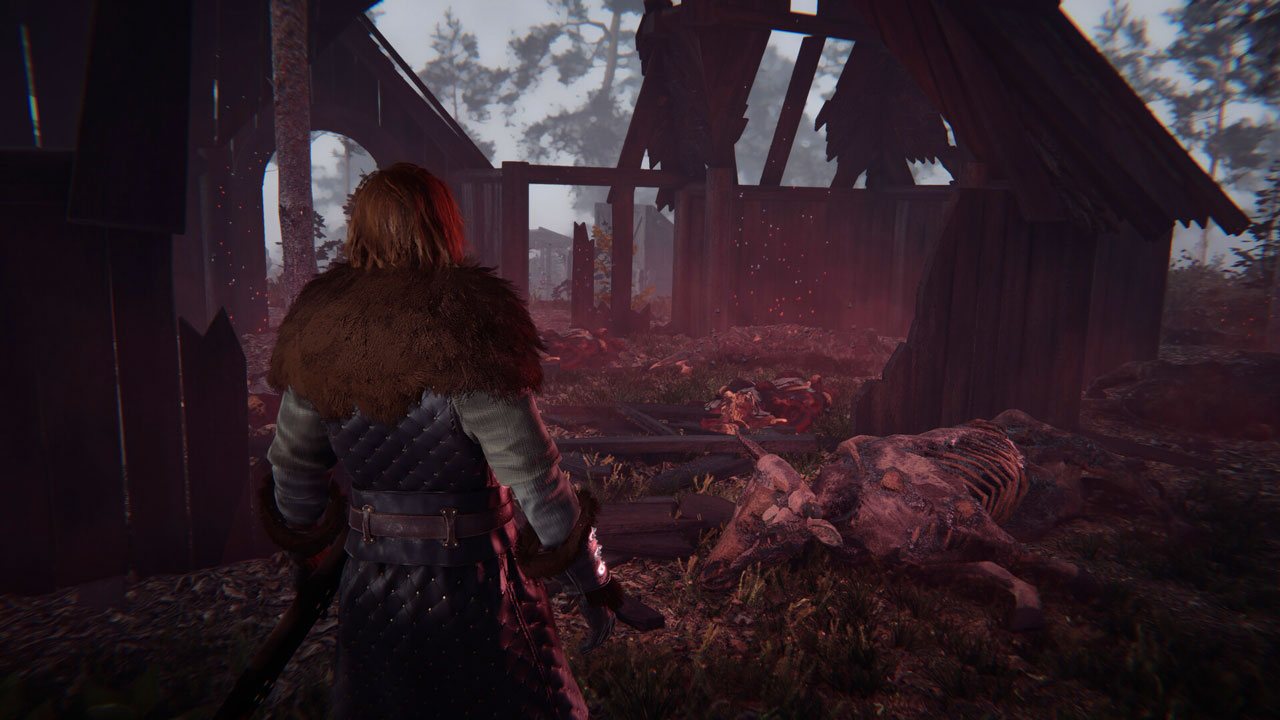
The Plague now evolves visibly within the world of Norovellir. Early infections begin with Plague fungi and spores forming on unburnt corpses, creating hazardous zones that accelerate spread when disturbed. If ignored, these areas develop into Plague Mycelium, which spreads spores over a wider area and can regrow if not fully dealt with. Left unchecked for even longer, the Plague forms Scabs, hardened structures that shield infection sources but can be destroyed to obtain valuable materials.
Environmental hazards tied to the Plague have expanded. Players may encounter Plague Roots that hinder movement and cause damage, as well as Plague Swamps that appear later in the game and require careful navigation. These areas carry increased danger but also the possibility of uncovering long-forgotten secrets.
The update also redefines how the Plague functions as a resource system. Plague Scabs can be broken down into Plague Ore, which enables new crafting options, while Plague nuclei found beneath infection sites are essential for producing cures. Plague-Touched Relics add another layer, offering powerful effects with uncertain consequences.
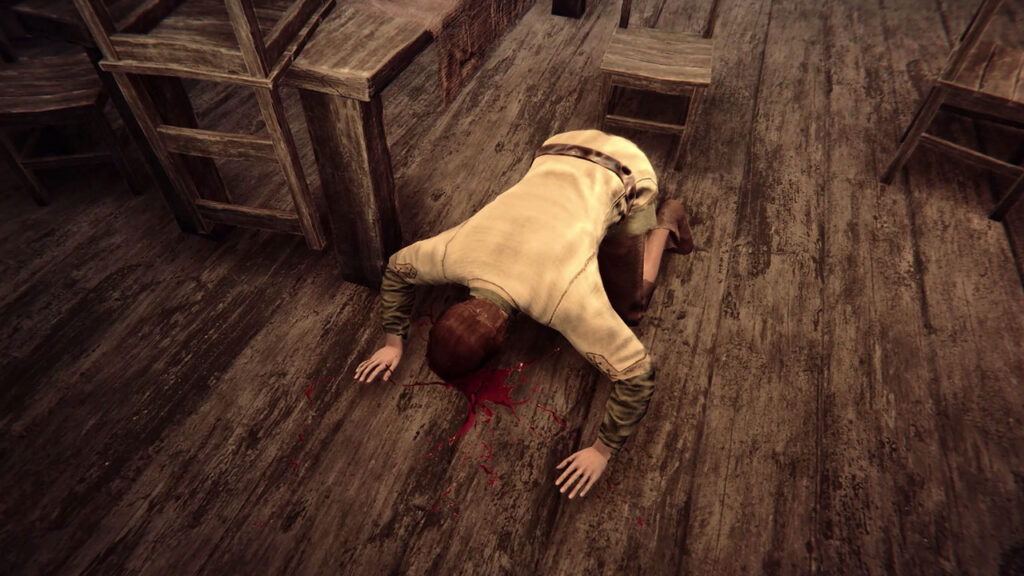
Infection mechanics have been reworked to progress in stages. Players track infection through a progress bar, with symptoms escalating from coughing to vomiting and Madness. These effects are not cosmetic. Coughing can alert enemies, vomiting can spread spores, and Madness introduces hallucinations and other disruptive effects that influence moment-to-moment gameplay.
To balance the threat, Nested Lands adds multiple counterplay options. Protective clothing and Plague masks reduce exposure, fire sources can contain infected areas, and trinkets provide defensive bonuses. Rituals offer another method of mitigation, though their cost remains unclear. Medicine can be crafted through the village Apothecary, discovered through exploration, or purchased from a traveling trader.
Together, these changes position the Plague as both a persistent danger and a system players can strategically engage with. The redesigned mechanics emphasize choice, risk management, and long-term consequences as players decide whether to contain the Plague or exploit its potential.
Luckily, it seems we won’t have to wait long to experience the new systems with friends, as the co-op test for Nested Lands is approaching and can be signed up for on Steam. I’ll be doing so as soon as I find my shovel.


Leave a Reply
You need to sign in to post a comment.